Beyond the Lens
Birds, Focus Stacking, and Conversations at Dam Lane Lake
WILD LIFE
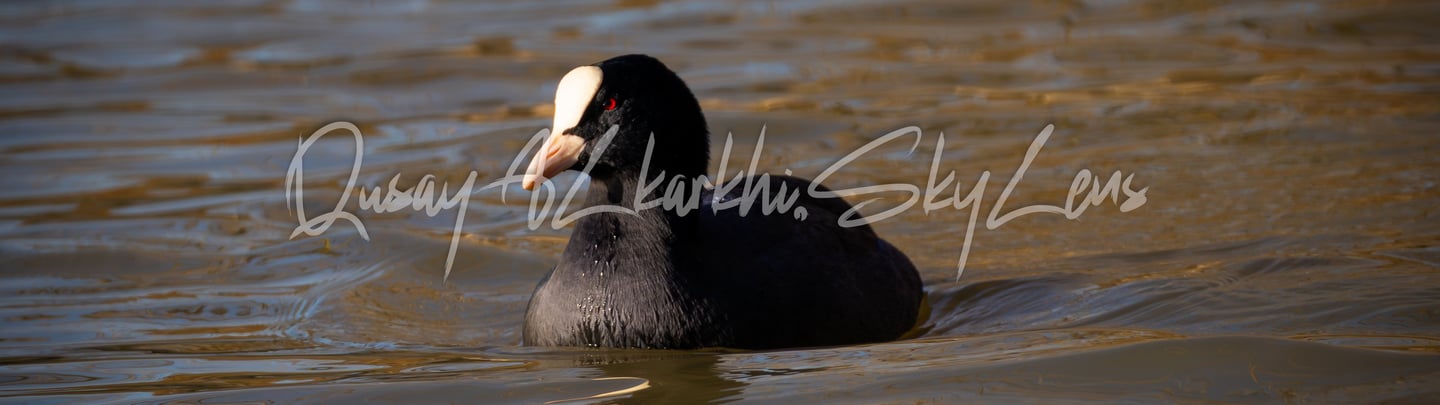
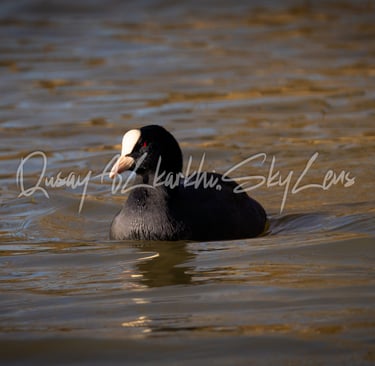
There are some locations in Wakefield that feel like hidden gems—places where nature quietly thrives right on our doorstep. Dam Lane Lake is one of those spots.
I headed out there recently with a specific mission in mind: to add some exciting new shots to my bird photography collection. While big reserves like Fairburn Ings are fantastic, there is something intimate about shooting at a smaller, local lake. You can get closer to the water, the reflections are often more intense, and the wildlife feels a little more personal.
The Life of the Lake
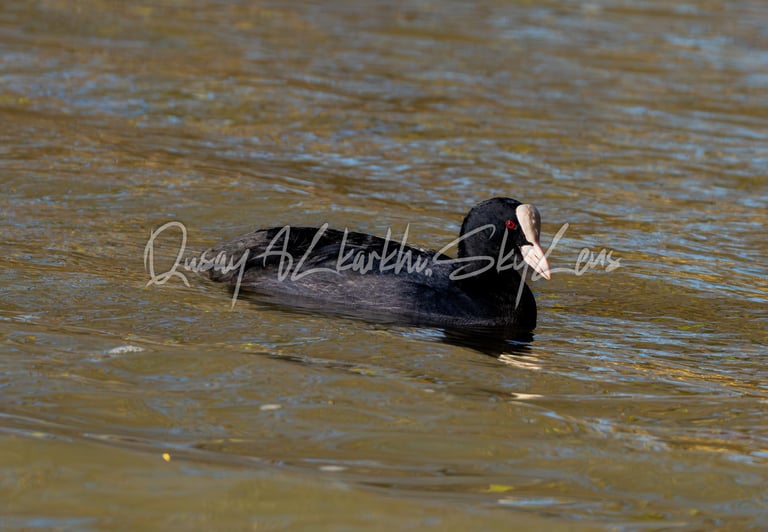
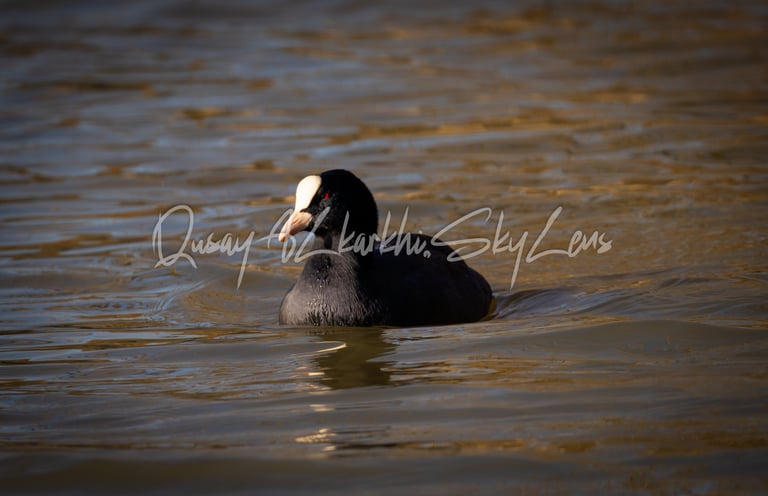
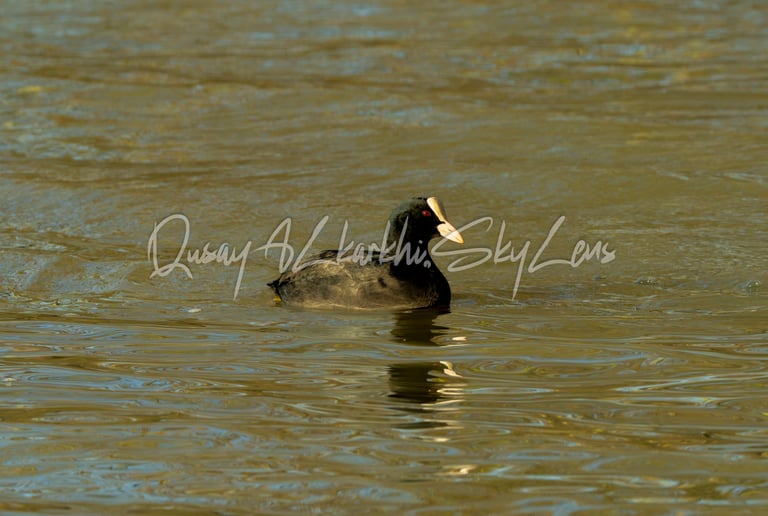
The lake was alive when I arrived. My main goal was to capture the energy of the waterfowl. There’s a challenge in photographing common birds—coots, mallards, swans—and trying to make them look extraordinary. I wanted to catch them in moments of action: the splash of a landing, the preening of feathers, or that split-second interaction between rivals.
The lighting was playing ball, offering some beautiful contrast on the water, allowing me to isolate the birds against the dark ripples of the lake.
The Human Element
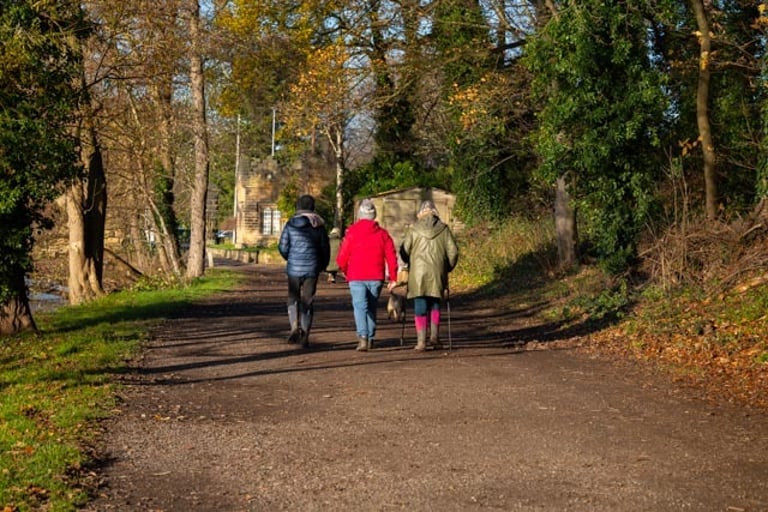
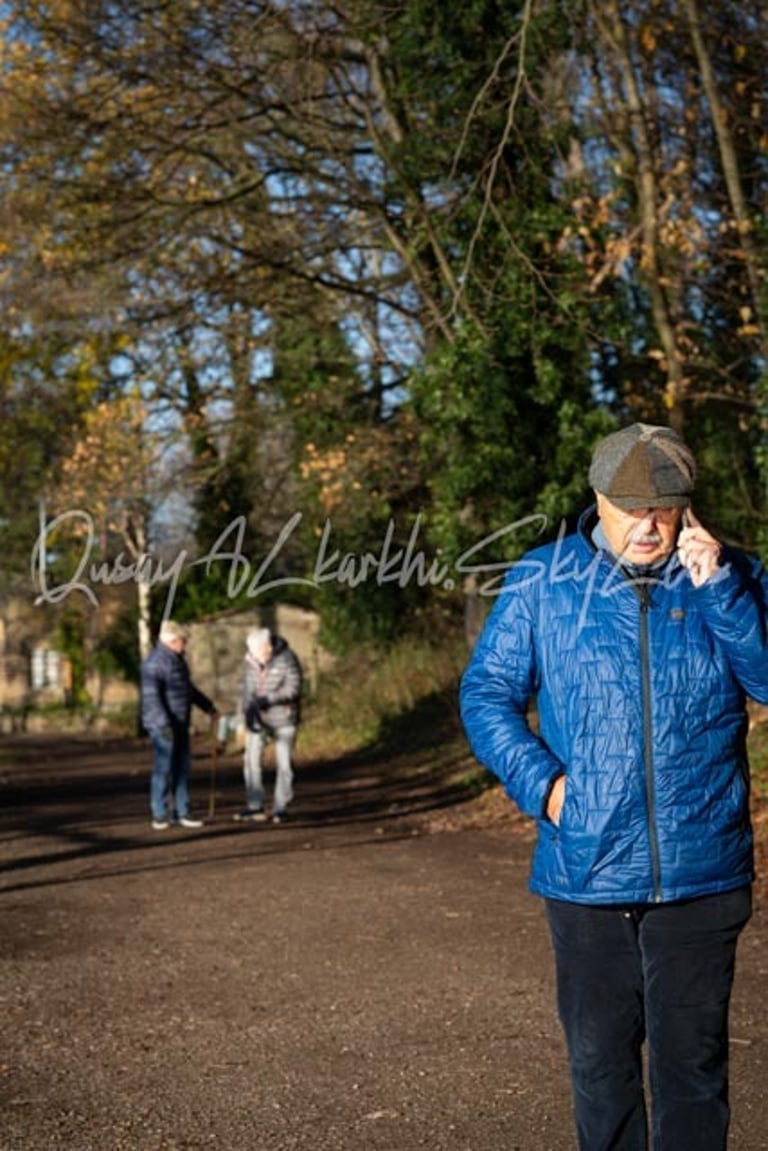
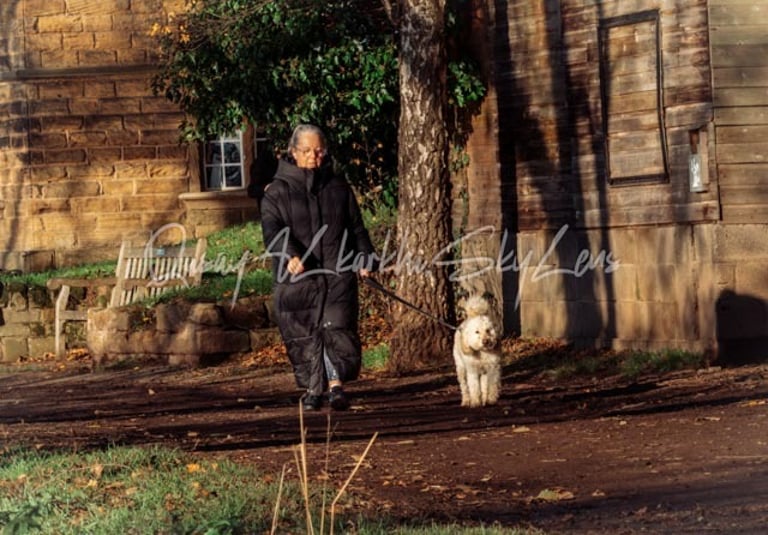
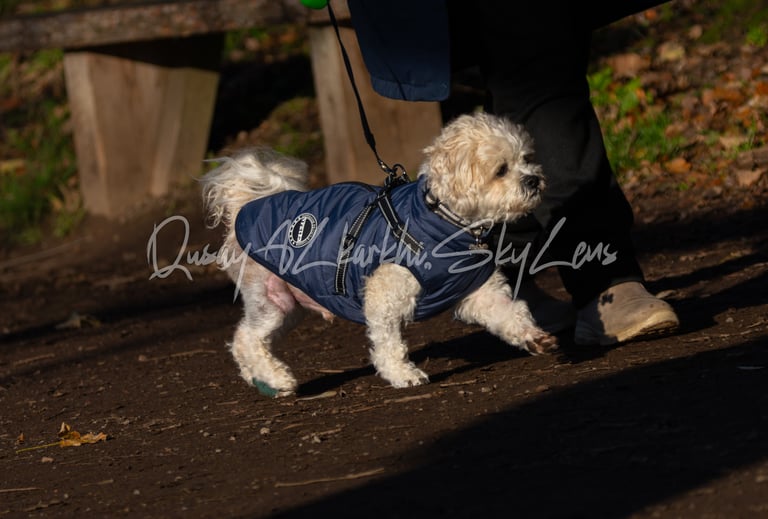
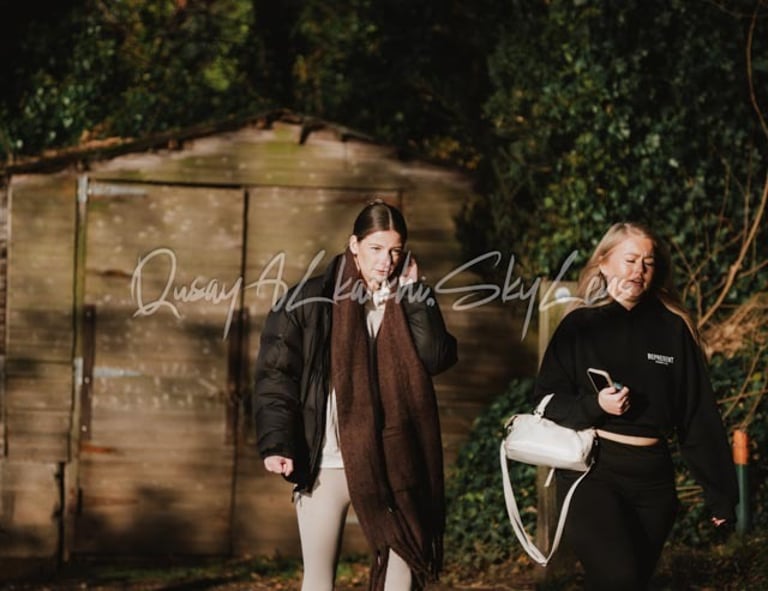
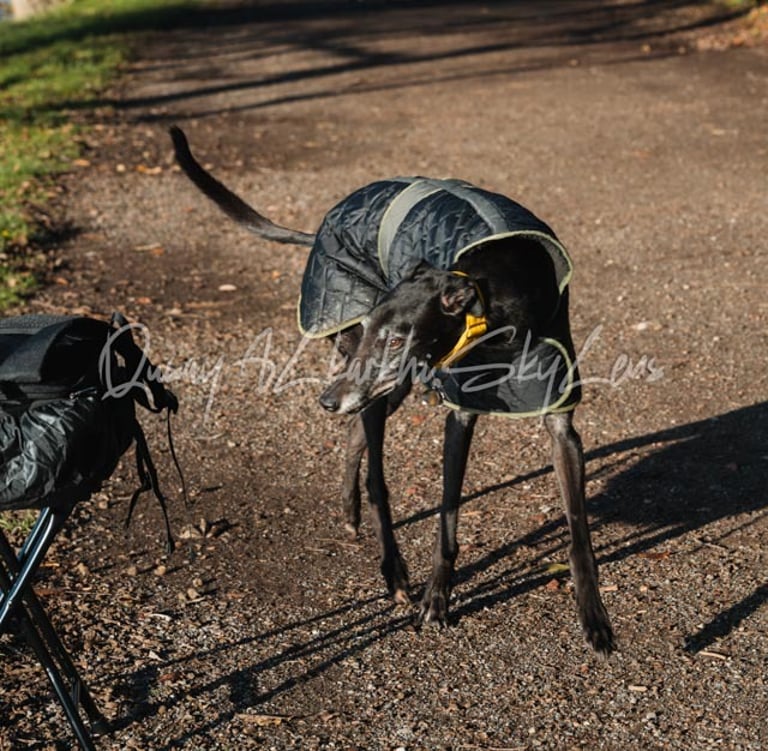
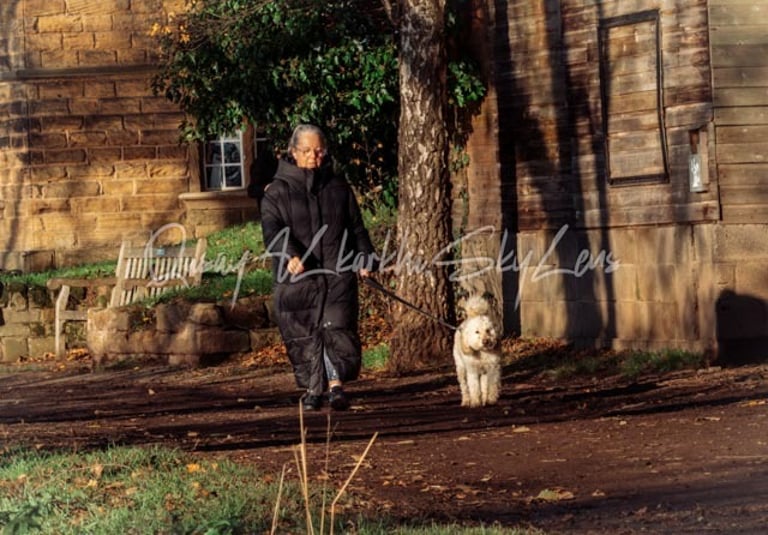
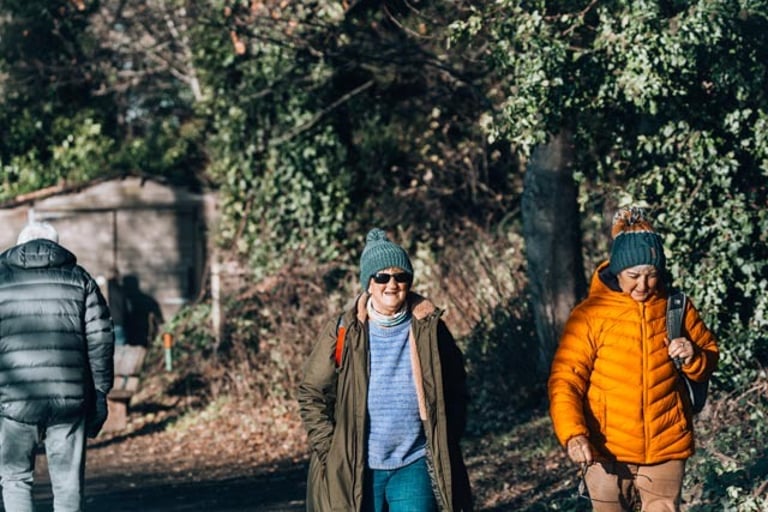
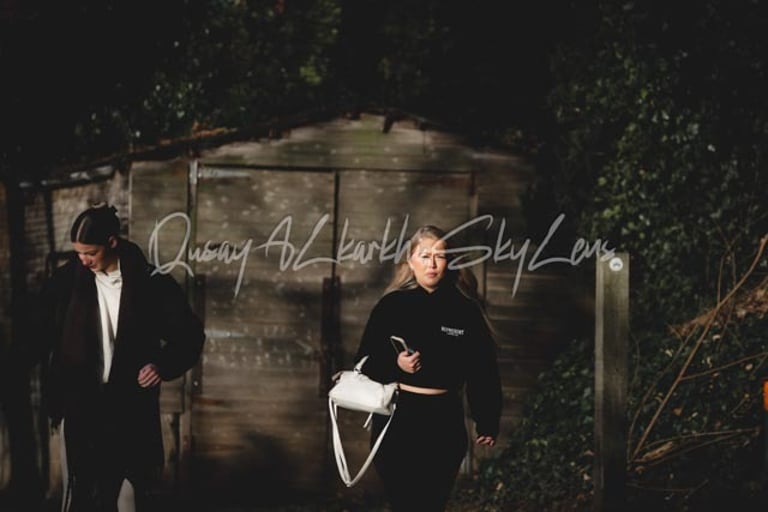
But Dam Lane isn’t just for the birds. It’s a favourite route for walkers, dog owners, and locals clearing their heads. As a photographer, I usually try to blend into the background, but when you are carrying professional gear and a tripod, you inevitably stand out. I enjoy including the human element in my landscape work sometimes—a silhouette of a walker in the distance can give a photo a sense of scale and story. But today, the walkers became part of my story in a different way.
A Chance Encounter
While I was setting up a shot, focused intently on the composition, a lady walking past slowed down. It’s a common occurrence; people are naturally curious when they see a long lens.
She paused and asked, "What kind of photos are you taking?"
I love this question. It’s an opportunity to bridge the gap between the person behind the camera and the person viewing the art. I took a moment to chat with her, explaining that today was a mix of two passions.
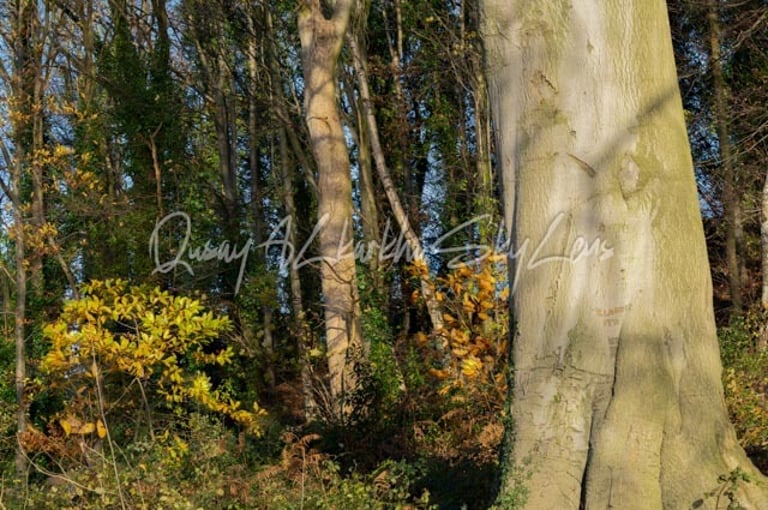
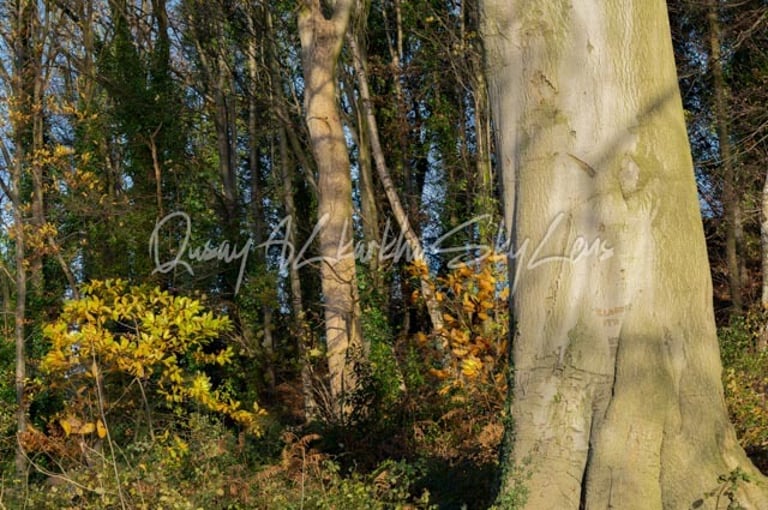
First, I showed her the wildlife setup—how I was tracking the birds to get those crisp, frozen-in-time action shots. But then I explained a technique that often surprises people: Focus Stacking. I explained to her that for my landscape and detailed nature work, one photo sometimes isn't enough. I told her how I take multiple images of the same scene—focusing first on the foreground grass, then the middle water, and finally the distant trees—and blend them together in post-processing. It’s a technique that ensures everything from the very front to the very back is razor-sharp, creating an image that looks almost 3D. She seemed genuinely interested in the technical side of things, realizing that "clicking the button" is just the very beginning of the process.
Sharing the Vision
Before she continued on her walk, I handed her one of my business cards. "Check out the website," I told her. "You'll see the difference between the fast wildlife shots and the stacked landscapes." It was a small interaction, lasting only a few minutes, but it was the highlight of the morning. Photography is often a solitary pursuit, spent in silence waiting for a bird to move. But moments like this remind me that photography is also about sharing a perspective. It’s about showing people the beauty of their own local area—whether through the sharp eye of a robin or the deep, stacked focus of a landscape—in a way they’ve never seen before. So, to the lady at Dam Lane: if you’re reading this, I hope you enjoy the photos!
Gallery
Some Beautifully Edited Shots